

Golf is a sport that requires precision, strategy, and the right equipment. Among all the essential tools in a golfer’s arsenal, one is golf woods. These clubs are designed to hit long shots from the tee or fairway and can greatly impact a player’s overall performance. In this article, we will explore the different types of golf wood, how to choose the right one and the significance of these clubs in the game.
Understanding Golf Woods
Golf woods are typically long-shafted clubs with larger heads designed to hit the ball over longer distances. However, modern golf woods are now predominantly made from titanium, stainless steel, or composite materials. These materials provide improved durability and forgiveness and allow for innovative design features.
Types of Golf Woods
- Driver
It is primarily used to hit tee shots, delivering maximum distance off the tee. The driver’s large clubhead size and low center of gravity help generate high ball speeds and distance. Today’s drivers also feature adjustable loft and weights, allowing players to fine-tune their shots to suit their swing and course conditions.
- Fairway Woods
Fairway woods, often called “3-woods” or “5-woods,” are versatile clubs for longer shots from the fairway or tee. They have a slightly higher loft than drivers, which helps get the ball airborne with a good amount of distance and accuracy. Fairway woods are designed to be forgiving and easy to hit, making them ideal for approach shots into par-5s or long par-4s.
- Hybrid Clubs
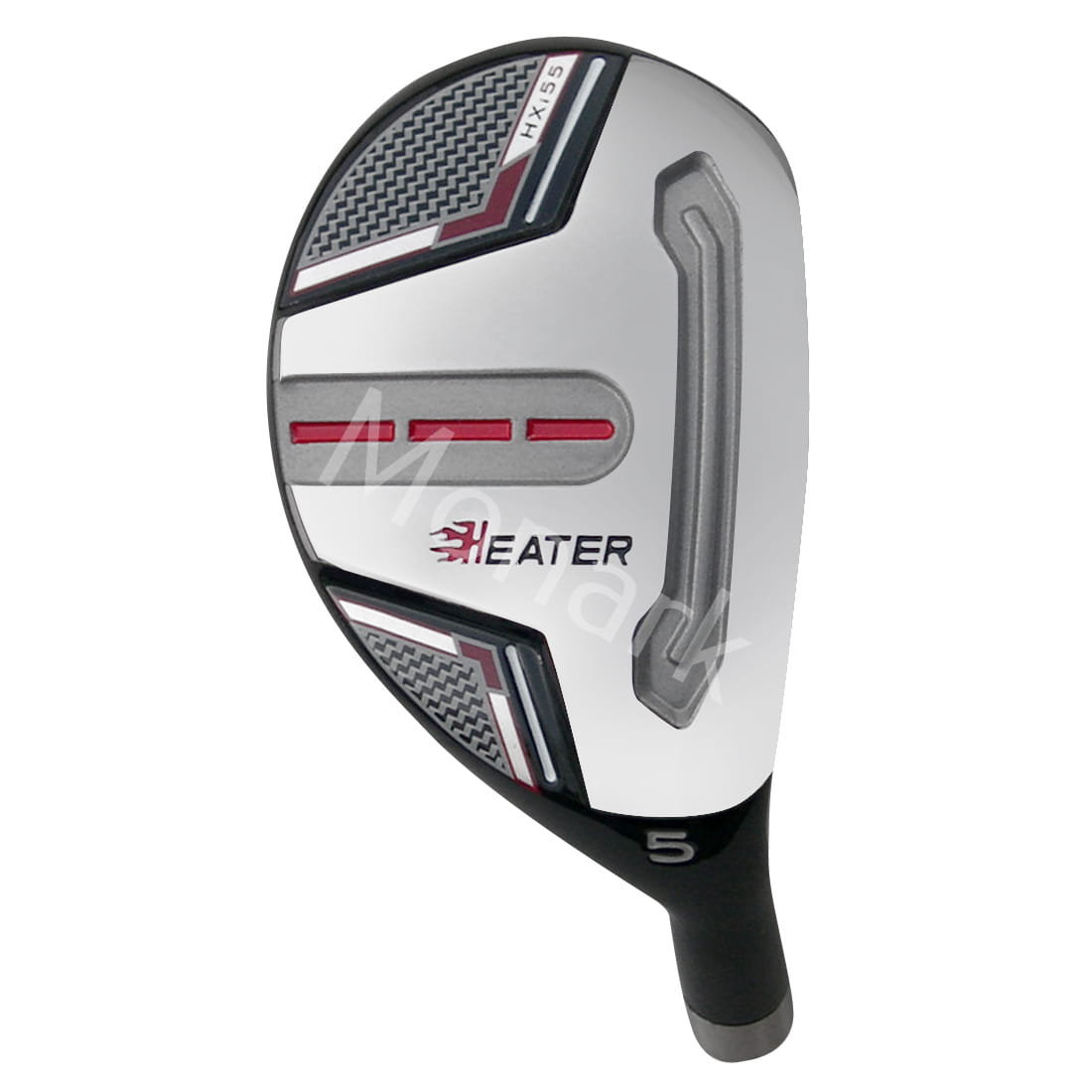
Hybrids are a cross between irons and fairway woods, combining the best attributes. They have a smaller club head than fairway woods but a larger head than irons, providing a balance of forgiveness, distance, and versatility. Hybrids are particularly useful in challenging situations, such as hitting out of the rough or replacing long irons for more forgiving shots.
Choosing the Right Golf Woods
There are a few points we need to keep in mind while trying to pick out the best golf woods:
- Loft and Launch Angle
The loft of a golf wood refers to the angle of the clubface relative to the ground. The choice of loft depends on a player’s swing speed and desired trajectory. Higher lofted woods generate more backspin and a higher launch angle, which can help carry the ball higher and stop it quickly on the green.
- Shaft Flex
The flexibility or stiffness of a golf wood’s shaft greatly influences the club’s performance. Shaft flex determines how much the shaft bends during the swing and affects the trajectory and accuracy of the shot.
- Clubhead Size and Shape
The size and shape of the clubhead can impact forgiveness, playability, and confidence at address. Larger clubheads generally offer more forgiveness and a larger sweet spot, making them more forgiving on off-center hits.
Importance of Golf Woods in the Game
Golf woods are crucial in a golfer’s ability to cover long distances and navigate challenging courses. With their ability to generate significant power and distance, these clubs set up favorable positions for shorter approach shots, ultimately leading to lower scores. The advancements in technology and design have made golf woods more forgiving and easier to hit, allowing players of all skill levels to benefit from their performance-enhancing qualities.
Summing Up
Golf woods are indispensable tools for golfers seeking greater distance and accuracy. From the driver to fairway woods and hybrids, these clubs offer versatility, forgiveness, and the ability to conquer long shots on the course. Choosing the right golf woods based on loft, shaft flex, and clubhead size is crucial for optimizing performance. Make Monark Golf your partner to experience premium golfing. Shop at Monark Golf today!





Comments are closed.