

If you want to improve your game, it helps to know how far you hit each club. Club selection becomes a lot easier when you know your numbers, and you’re less likely to come up short or fly the green when you do.
Below, you’ll see a breakdown of average distances by club type, so you can compare your numbers with a general baseline.
Why should you mind the distance?
Carry distance is how far your ball travels through the air before it lands. For most approach shots, that’s usually the number that matters most because it tells you whether you can clear trouble and hold the green.
With total distance, you’re looking at the carry and rollout after your ball lands. This number matters off the tee or when you’re playing in conditions where the ball releases more, like firm fairways or colder weather.
When you know your carry numbers, it becomes easier to choose the right club for each shot. For example, knowing the distance gap between your 7-iron and 8-iron can help you avoid coming up short or flying the green.
You should also take the time to understand your yardages, since it can help with distance gapping throughout the bag. Ideally, each of your clubs should cover a different number to avoid flying the same distance.
Average distance by club type
Your swing will naturally differ from another golfer’s, but knowing the average distances can give you a good baseline. These numbers usually tell you the carry distance and normal rollout under typical playing conditions.
That said, you should always pay closer attention to your own numbers. To dial in your yardages, you need to track them on the course or use a launch monitor. This will help you identify exactly how far each club carries for your swing.
Driver distances
The average driver distance for men is usually around 200 to 260 yards. Meanwhile, women typically average between 150 and 210 yards. As for junior golfers, you’ll often find them hitting drives between 80 and 170 yards.
For irons, these are the average distances you can expect to see:
| Iron | Men | Women | Juniors |
| 3-Iron | 180 to 210 yards | 130 to 160 yards | 60 to 130 yards |
| 4-Iron | 170 to 200 yards | 120 to 150 yards | 60 to 130 yards |
| 5-Iron | 160 to 190 yards | 110 to 140 yards | 50 to 110 yards |
| 6-Iron | 150 to 180 yards | 100 to 130 yards | 45 to 100 yards |
| 7-Iron | 140 to 170 yards | 90 to 120 yards | 40 to 90 yards |
| 8-Iron | 130 to 160 yards | 80 to 110 yards | 35 to 80 yards |
| 9-Iron | 120 to 150 yards | 70 to 100 yards | — |
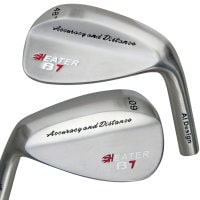
A wedge is built more for control and touch around the greens, so you’ll naturally see shorter distances with them:
| Wedge | Men | Women | Juniors |
| Pitching Wedge (PW) | 110 to 120 yards | 80 to 90 yards | 40 to 70 yards |
| Gap Wedge | 100 to 110 yards | 70 to 80 yards | 35 to 60 yards |
| Sand Wedge (SW) | 80 to 100 yards | 60 to 70 yards | 30 to 50 yards |
| Lob Wedge (LW) | 60 to 80 yards | 40 to 60 yards | 25 to 40 yards |
Building a custom club?
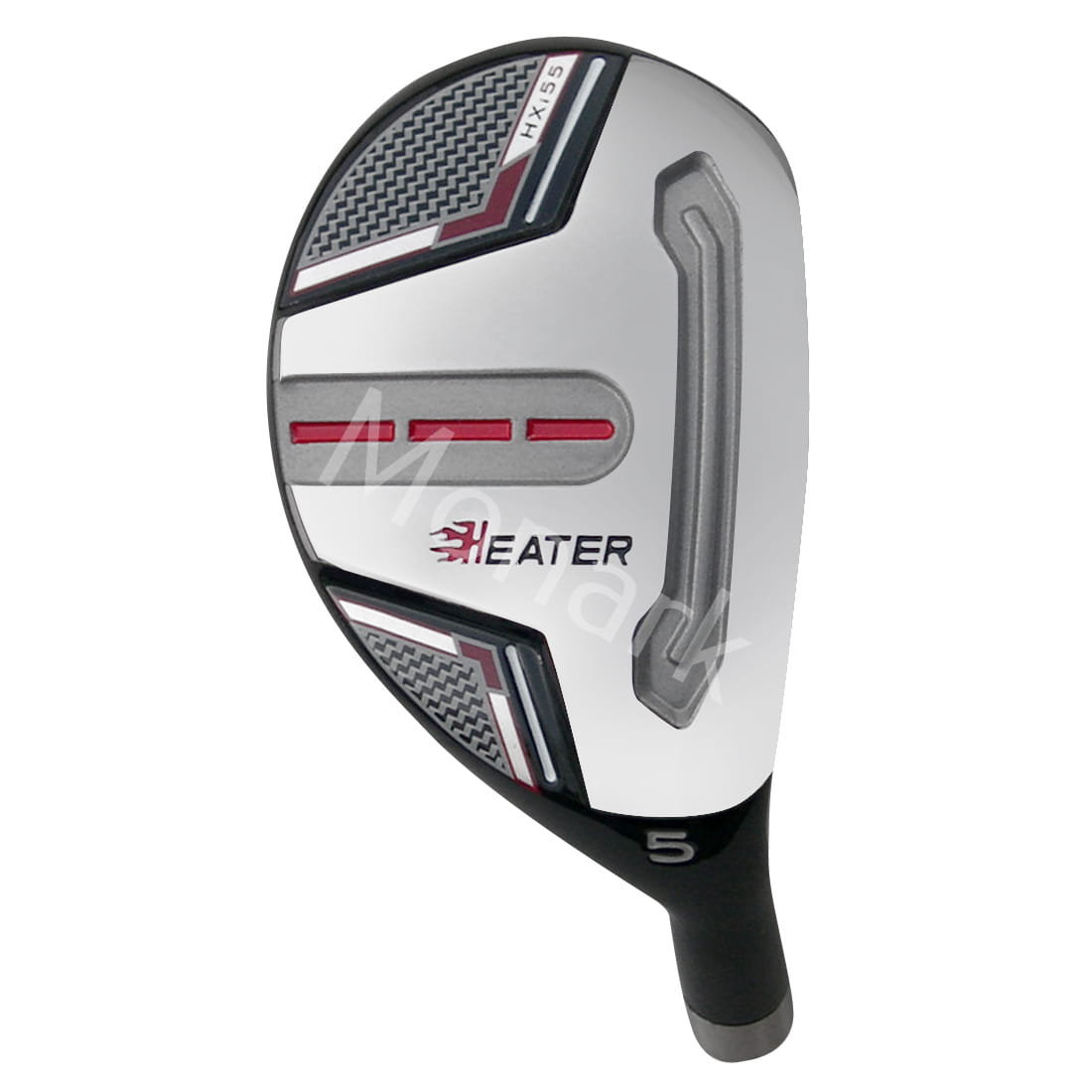
If you’re building your own clubs, make sure you start with a quality driver head that fits your swing and playing style.
At Monark Golf, you can find golf club components at discounted prices, including driver heads. If you need help choosing components, you can also call us at (877) 551-4653 for advice.





Comments are closed.