

One of the most common problems golfers face is not distance — it’s distance confusion. Many players carry a full set of irons but don’t actually know how far each club goes. This leads to poor club selection, missed greens, and inconsistent scoring. That’s where iron gapping becomes important.
Gapping your irons means making sure each iron in your set produces a clear and consistent distance difference from the next. When your distances are properly spaced, you always know which club to choose, and every shot becomes more confident and controlled.
What Does Iron Gapping Mean?
Iron gapping simply means checking the distance you hit each iron and making sure there are no overlaps or large gaps. For example, if your 7-iron and 8-iron go almost the same distance, you don’t really have two useful clubs — you have one. On the other hand, if there’s a big gap between your 6-iron and 7-iron, you’re left guessing on many approach shots.
Good gapping creates smooth distance progression throughout your set, making club selection easier and more reliable.
Why Proper Gapping Improves Your Game
When your irons are properly gapped, everything becomes simpler. You stop guessing, second-guessing, and forcing shots. You gain confidence because you know your yardages, and your decision-making improves.
Proper gapping helps you:
- Choose the right club with confidence
- Hit more greens in regulation
- Improve approach shot accuracy
- Reduce mis-hits from wrong club selection
- Play smarter golf
- Lower your scores naturally
How to Check Your Iron Distances
The best way to gap your irons is to test them. Go to the driving range or practice area and hit several shots with each iron. Don’t focus on your longest shot — focus on your average carry distance. Write down how far each club consistently goes.
You don’t need expensive equipment to do this. Range markers, GPS watches, or simple rangefinders work well. What matters is consistency, not perfection.
What Causes Distance Gaps in Iron Sets
Distance problems often come from:
- Different loft angles between clubs
- Mixed iron sets from different brands
- Old and worn clubfaces
- Swing changes over time
- Inconsistent strike patterns
- Improper club fitting
Even new iron sets can have poor gapping if they aren’t properly fit to the golfer.
How to Fix Iron Distance Gaps
Once you know your distances, fixing gaps becomes simple.
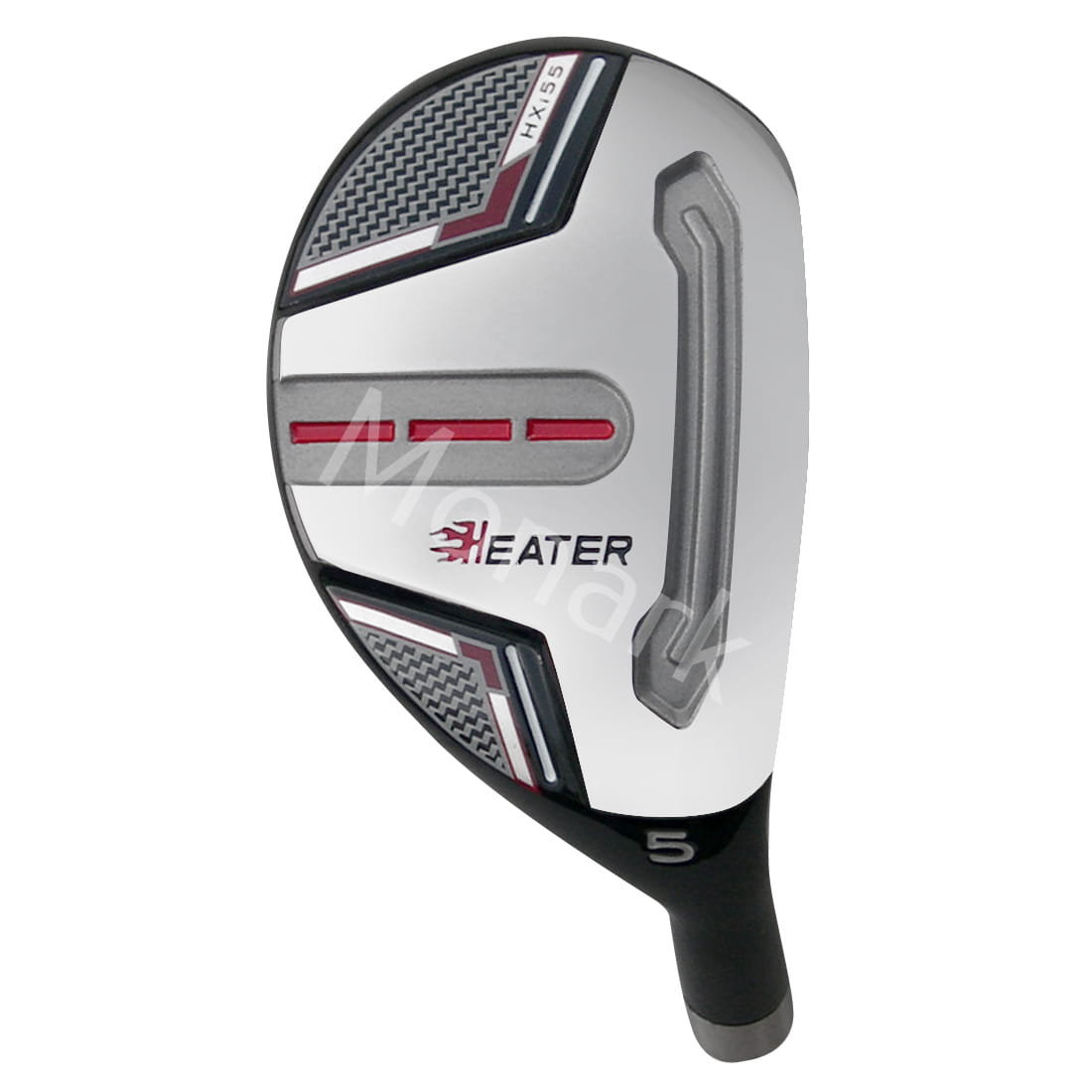
Sometimes a small loft adjustment can correct distance spacing. In other cases, replacing one club with a different model or loft creates better progression. Many golfers also improve gapping by adding hybrids or utility clubs instead of long irons, which creates smoother distance transitions.
Wedge gapping is just as important. Your pitching wedge, gap wedge, sand wedge, and lob wedge should also have clear distance separation to avoid overlap in scoring ranges.
Why Iron Gapping Matters More Than You Think
Golf is a game of precision, not power. Most scoring happens from approach shots, not tee shots. When your irons are properly gapped, you play smarter golf. You stop forcing shots and start playing controlled, confident swings.
Good gapping improves:
- Shot planning
- Course management
- Confidence
- Consistency
- Decision making
- Scoring ability
Final Thoughts
Iron gapping is one of the simplest ways to improve your game without changing your swing. It helps you understand your distances, choose the right club, and play smarter golf.
When your irons are properly gapped, every shot feels clearer, every decision feels easier, and every round becomes more consistent.
At Monark Golf, we believe good equipment isn’t just about quality — it’s about proper fit and smart setup. And proper gapping is a key part of building a set that truly works for your game.
Know your distances. Trust your clubs. Play with confidence.






Comments are closed.